

Energy systems
| All energy originates as light from the sun .plants covert sunlight into chemical energy through the process of photosynthesis . When we eat plants ,or animals that have eaten plants ,and this is stored chemical energy is passed on to us for our fuel. In the Food we eat energy is stored as carbohydrates ,fats or protein |
The chemical breakdown of the oxidative krebs cycle and anearobic glycolysis are important features in our energy systems ,how we generate energy while working out or doing normal day duties is important in helping us understand the depth of how much we need to expend.
Every muscle contracts due to a molecule called adenosine triphospahte (ATP) when an ATP is combined with water the last of the three phosphates groups splits apart and produces energy .
The breakdown of ATP for muscle contraction results in adenosine disphosphate (ADP).The Limited stores of ATP must be replenished for work to continue so that the chemical reaction can add a phosphate group back to add ADP to make ATP.
The three energy systems
Conventionally there are three energy systems that produce ATP : ATP-PC ( High power, short duration ),glycolytic(moderate power /short duration),and oxidative (Low power/Long duration). what dictates which power to use is dependent on the effort required so in order to muscle to contract ATP must be present
The ATP-PC Energy system-High power/short duration
ATP and phosphocreatine (PC) compose the ATP-PC system called the phosphogen system. It is immediate and functions without oxygen. It allows for up to approximately 12 seconds fof maximum effort.PC cushions the decline of ATP until there is a shift to another system .It is estimated that the pc can create approximately 36 calories minute.
Example is a short Sprint, Lifting heavy resistance for three repetitions or pitching a baseball.
The Glycolytic system-Moderate power/moderate duration
This is the next in line from the ATP-PC system as energies shift the demand and these explores the glycogen stores in the muscle and the Liver. Blood glucose or glycogen is broken down to create ATP through a process known as glycolysis,oxygen is not required for this process but it does play a role in the by-product of glycol sis: pyruvic acid ).It is estimated glycolysis can create energy at approximately 16 calories per minute.
After a maximum power declines around 12 seconds, further intense activity up to approximately 30 seconds will result in lactic acid accumulation and consequently muscle fatique.This intense extended effort is known as fast glycolysis and a further shift in power which is dependence on oxidative system like a all out sprint then a Jog and a walk which means utilising the all energy systems.
The Oxidative system-Low power /Long duration
Low power but longer duration which is estimated to create about 10 calories per minute.
This may include a six mile run, low level manual labour on an eight hour shift or a 3 mile walk.
The effort demand is Low ,but ATP in this system can be produced in three ways:
- Krebs Cycle
- Electrons Transport chain
- Beta Oxidation
The Krebs cycle is a sequence of chemical reactions that continues to oxidize the glucose that was initially made during glycolysis .Remember the acA ! This enters the Krebs cycle and is broken down into carbon dioxide and hydrogen and two more ATP molecules are formed .
The hydrogen produced in the Krebs cycle and during glycolysis causes the muscles to become too acidic if not tended to. Through more chemical reaction in the electron transport chain, hydrogen combines with oxygen ,water is produced and acidicity is prevented .the limiting factor here is oxygyen and that is why oxidative energy takes a while and intensity of effort declines ( i.e..all out sprinting becomes slow jogging /walking).
Generally fatty acids take time to breakdown than glucose ,more oxygen is needed to complete combustion ,If efforts are intense and the cardiovascular system cannot supply oxygen quickly enough ,carbohydrates must produce ATP.However ,in very long duration activites (i.e. marathons carbohydrates can be depleted and then the body looks to fats for energy
In extended activities protein can be used as a last resort for energy production, in rare cases it can supply as much as 18% of total energy requirements .The building blocks of protein -amino acids-can be either converted into glucose (via gluconeogenisis) or other sources used in the krebs cycle.
| All the energy eventually degrades to heat. So the amount of energy we consume and expand is determined as a measurement of heat. Energy in biological systems is measured in Calories .A calorie is the amount of heat energy required to raise 1 kg of water to about one degree centigrade .Although we often talk about the food we eat as calories in fact it is kilocalories(kcal) or 1000 calories . An average banana contains 100kcal or 100000 calories |
Energy sources can be replenished ATP
Several substances are available which can be used to power the production of ATP,is stored inside the cell and called creatine phosphates
| The use creatine as a sports supplement is based on the notion that it can increase intracellular concentrations prior to exercise .In theory this would allow short term ,high intensity activity to continue for longer ,this idea suggest that creatine does have some ergonic effect |
Creatine Phosphate
Creatine phosphate is readily available to the cells and rapidly produces ATP. It also exists in limited concentrations and it is estimated that there is only about 100g of ATP and about 120g of creatine phosphate stored in the body, mostly within the muscles. Together ATP and creatine phosphate are called the high-energy phosphogens
Fat
the other substrates that can the body can use to produce ATP include fat, carbohydrate and protein. Fat is stored predominantly as adipose tissue throughout the body and is a substantial energy reservoir. Fat is less accessible for cellular metabolism as it must first be reduced from its complex form, triglyceride, to the simpler components of glycerol and free fatty acids. So although fat acts as a vast stockpile of fuel, energy release is too slow for very intense activity.
Carbohydrate
Unlike fat, carbohydrate is not stored in peripheral deposits throughout the body. At rest, carbohydrate is taken up by the muscles and liver and converted into glycogen. Glycogen can be used to form ATP and in the liver it can be converted into glucose and transported to the muscles via the blood. A heavy training session can deplete carbohydrate stores in the muscles and liver, as can a restriction in dietary intake. Carbohydrate can release energy much more quickly than fat .
Protein
Protein is used as a source of energy, particularly during prolonged activity, however it must first be broken down into amino acids before then being converted into glucose. As with, fat, protein cannot supply energy at the same rate as carbohydrate. The rate at which is energy is released from the substrates is determined by a number of factors. For example, if there are large amounts of one type of fuel available, the body may rely more on this source than on others. The mass action effect is used to describe this phenomenon
Lactic Acid
The expression “lactic acid” is used most commonly by athletes to describe the intense pain felt during exhaustive exercise, especially in events like the 400 metres and 800 metres. When energy is required to perform exercise, it is supplied from the breakdown of Adenosine Triphosphate (ATP). The body has a limited store of about 85 grms of ATP and would use it up very quickly if we did not have ways of resynthesising it. There are three systems that produce energy to resynthesise ATP: ATP-PC, lactic acid and aerobic.
The lactic acid system is capable of releasing energy to resynthesise ATP without the involvement of oxygen and is called anaerobic glycolysis. Glycolysis (breakdown of carbohydrates) results in the formation of pyruvic acid and hydrogen ions (H+). The pyruvic acid molecules undergo oxidation in the mitochondrion and the krebs cycle begins. A build up of H+ will make the muscle cells acidic and interfere with their operation so carrier molecules, called nicotinamide adenine dinucleotide (NAD+), remove the H+. The NAD+ is reduced to NADH that deposit the H+ at the electron transport gate (ETC) in the mitrochondria to be combined with oxygen to form water (H2O).
If there is insufficient oxygen then NADH cannot release the H+ and they build up in the cell. To prevent the rise in acidity pyruvic acid accepts H+ forming lactic acid that then dissociates into lactate and H+. Some of the lactate diffuses into the blood stream and takes some H+ with it as a way of reducing the H+ concentration in the muscle cell. The normal pH of the muscle cell is 7.1 but if the build up of H+ continues and pH is reduced to around 6.5 then muscle contraction may be impaired and the low pH will stimulate the free nerve endings in the muscle resulting in the perception of pain (the burn). This point is often measured as the lactic threshold anaerobic threshold (AT) or onset of blood lactate accumulation (OBLA).
The process of lactic acid removal takes approximately one hour, but this can be accelerated by undertaking an appropriate cool down that ensures a rapid and continuous supply of oxygen to the muscles.
Recomnded
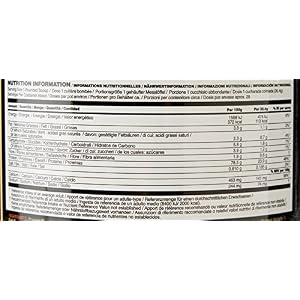
Optimum Nutrition Gold Standard 100% Whey Protein Powder - 908 g, Double Rich Chocolate
MyProtein Impact Whey Protein, Chocolate Smooth 1KG
Free shipping
17 new from £23.95as of 12th October 2026 11:33 am
Free shipping
9 new from £14.90as of 12th October 2026 11:33 am
- Contains Whey protein isolates rates over 90% pure protein
- Each serving of gold standard 100% whey contains 24 g of protein
- Packed with 5.5 g of branch chain amino acids per serving
- Only 1 g of fat per serving
- Over 80% protein per serving
- Contributes to the growth and maintenance of muscle
- Contains over 2g of leucine per serving

USN Muscle Fuel Anabolic Lean Muscle Gain Shake Powder, 2 kg - Chocolate

BULK POWDERS Pure Whey Protein, Vanilla - 1kg
Free shipping
11 new from £24.49as of 12th October 2026 11:33 am
Free shipping
4 new from £18.24as of 12th October 2026 11:33 am
- 53 g protein per serving
- 5 g creatine per serving to optimise performance
- Refuel, repair technology to speed up recovery
- The high protein all-in-one to maximise results
- Europe's cheapest whey protein
- Low in fat and carbohydrates
- High in Glutamine
- High in Amino acids
MyProtein Impact Whey Protein, Unflavoured 1KG
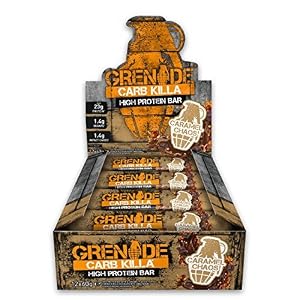
Grenade Carb Killa High Protein and Low Carb Bar, 12 x 60 g - Caramel Chaos
as of 12th October 2026 11:33 am
Free shipping
18 new from £18.00as of 12th October 2026 11:33 am
- Over 80% protein per serving
- Contributes to the growth and maintenance of muscle
- Contains over 2g of leucine per serving
- High protein bar-over 23 g of protein
- Low carbs and high protein
- Informed choice approved and accredited
- Contains only 1.5 g of sugar and 1.5 g of high impact carbs


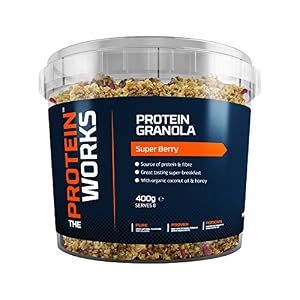
The Protein Works, Protein Granola, High Protein Breakfast Granola, Super Berry, 400g
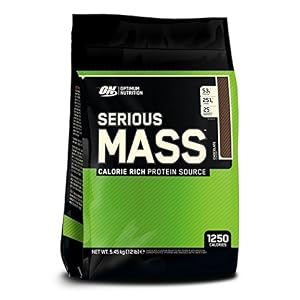
Optimum Nutrition Serious Mass Weight Gain Powder, 5.45 kg - Chocolate
Free shipping
2 new from £7.98as of 12th October 2026 11:33 am
Free shipping
14 new from £40.95as of 12th October 2026 11:33 am
- Protein Granola, 100% natural flavours & colours
- 10g of protein per serving
- Only 196 calories per servings
- Mix includes whey protein, goji berries and dired raspberries
- Each delicious shake contains 1,250 calories, with no added sugar
- Every serving delivers 50 g of blended protein to support building muscle
- 250 g of carbohydrates to fuel intense workouts and help replenish glycogen stores
- Includes 25 vitamins and minerals, creatine, glutamine and MCT

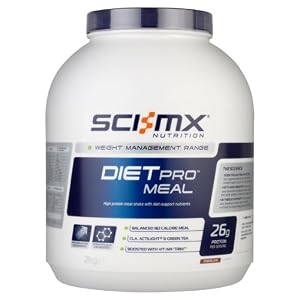
SCI-MX Nutrition Diet Pro Meal 2 kg Chocolate - High protein meal shake with diet-support nutrients

The Bulk Protein Company 5 kg Vanilla Serious Gainz Mass Gainer Powder
Free shipping
5 new from £21.80as of 12th October 2026 11:33 am
Free shipping
2 new from £23.991 used from £23.02
as of 12th October 2026 11:33 am
- 26g protein per serving
- Scientifically Balanced Meal: Diet-targeted protein to carb ratio ideal for nutrient support as...
- Fatty Acid Oxidation: Premium grade green tea extract increases the beta-oxidation of fatty acids...
- Balanced 192 calorie meal
- Hardcore lean mass gainer designed for committed athletes
- Rich in flavours and taste
- Designed for those training to add real, lean muscle to their physique
- High quality time released protein powder

