
Sore Muscles? Don’t Stop Exercising
Delayed onset muscle soreness (DOMS), also called muscle fever, is the pain and stiffness felt in muscles several hours to days after unaccustomed or strenuous exercise.
The soreness is felt most strongly 24 to 72 hours after the exercise. It is thought to be caused by eccentric (lengthening) exercise, which causes microtrauma to the muscle fibers. After such exercise, the muscle adapts rapidly to prevent muscle damage, and thereby soreness, if the exercise is repeated.
Delayed onset muscle soreness is one symptom of exercise-induced muscle damage. The other is acute muscle soreness, which appears during and immediately after exercise.
The soreness is perceived as a dull, aching pain in the affected muscle, often combined with tenderness and stiffness. The pain is typically felt only when the muscle is stretched, contracted or put under pressure, not when it is at rest.This tenderness, a characteristic symptom of DOMS, is also referred to as “muscular mechanical hyperalgesia
Although there is variance among exercises and individuals, the soreness usually increases in intensity in the first 24 hours after exercise. It peaks from 24 to 72 hours, then subsides and disappears up to seven days after exercise.
The soreness is caused by eccentric exercise, that is, exercise consisting of eccentric (lengthening) contractions of the muscle. Isometric (static) exercise causes much less soreness, and concentric (shortening) exercise causes none
The mechanism of delayed onset muscle soreness is not completely understood, but the pain is ultimately thought to be a result of microtrauma – mechanical damage at a very small scale – to the muscles being exercised.
DOMS was first described in 1902 by Theodore Hough, who concluded that this kind of soreness is “fundamentally the result of ruptures within the muscle”.According to this “muscle damage” theory of DOMS, these ruptures are microscopic lesions at the Z-line of the muscle sarcomere. The soreness has been attributed to the increased tension force and muscle lengthening from eccentric exercise. This may cause the actin and myosin cross-bridges to separate prior to relaxation, ultimately causing greater tension on the remaining active motor units. This increases the risk of broadening, smearing, and damage to the sarcomere. When microtrauma occurs to these structures, nociceptors (pain receptors) within muscle connective tissues are stimulated and cause the sensation of pain
An earlier theory posited that DOMS is connected to the build-up of lactic acid in the blood, which was thought to continue being produced following exercise. This build-up of lactic acid was thought to be a toxic metabolic waste product that caused the perception of pain at a delayed stage. This theory has been largely rejected, as concentric contractions which also produce lactic acid have been unable to cause DOMS. Additionally, lactic acid is known from multiple studies to return to normal levels within one hour of exercise, and therefore cannot cause the pain that occurs much later
Although delayed onset muscle soreness is a symptom associated with muscle damage, its magnitude does not necessarily reflect the magnitude of muscle damage
After performing an unaccustomed eccentric exercise and exhibiting severe soreness, the muscle rapidly adapts to reduce further damage from the same exercise. This is called the “repeated-bout effect
Prevention
Delayed onset muscle soreness can be reduced or prevented by gradually increasing the intensity of a new exercise program,thereby taking advantage of the repeated-bout effect.
Static stretching or warming up the muscles does not prevent soreness. Over stretching can by itself cause soreness.
The use of correctly fitted, medical-grade, graduated compression garments such as socks and calf sleeves during the workout can reduce muscle oscillation and thus some of the micro-tears that contribute to DOMS. Proper nutrition to manage electrolytes and glycogen before and after exertion has also been proposed as a way to ease soreness. Consuming more vitamin C may not prevent soreness, but oral curcumin (2.5 gram, twice daily) likely reduces it.
Treatment
The soreness usually disappears within about 72 hours after appearing. If treatment is desired, any measure that increases blood flow to the muscle, such as low-intensity activity, massage, hot baths, or a sauna visit may help somewhat
Why do my muscles feel sore after exercising?
Sore muscles after physical activity, known as delayed onset muscle soreness (DOMS), can occur when you start a new exercise programme, change your exercise routine, or increase the duration or intensity of your regular workout.
When muscles are required to work harder than they’re used to, or in a different way, it is believed to cause microscopic damage to the muscle fibres, resulting in muscle soreness or stiffness. DOMS is often mistakenly believed to be caused by lactic acid build up, however, lactic acid is not involved in this process.
Who can DOMS affect?
Anyone can develop DOMS, even those who have been exercising for years, including elite athletes. DOMS can be alarming for people who are new to exercise and it may dent their initial enthusiasm to get fit. The good news is that the pain will decrease as your muscles get used to the new physical demands being placed upon them.
The soreness is part of an adaptation process that leads to greater stamina and strength as the muscles recover and build. Unless you push yourself hard, you’re unlikely to develop DOMS after your next exercise session.
What type of activities can cause DOMS?
Any movement you’re not used to can cause DOMS, in particular, movements that cause the muscle to contract while it lengthens (called eccentric muscle contractions). Examples of eccentric muscle contractions include going down stairs, jogging or running downhill, lowering weights (such as the lowering phase of a bicep curl) and the downward motion of squats and push-ups.
strains or sprains.
DOMS doesn’t generally require medical intervention. However, seek medical advice if the pain becomes debilitating, or you experience heavy swelling or if your urine becomes dark.
How can I prevent DOMS?
One of the best ways to prevent DOMS is to start any new activity programme gently and gradually. Allowing the muscle time to adapt to new movements should help minimise soreness.
There is little evidence that warming-up will be effective in preventing DOMS. However, exercising with warmed-up muscles will reduce your chance of injury and improve your performance.
While stretching has many benefits, there is currently no evidence that stretching before or after exercise helps to reduce or prevent DOMS.
You can exercise with DOMS, although it may feel uncomfortable, especially during the warm-up phase. You may find the pain goes away during the session but it will return after exercising once your muscles have cooled down.
If the pain makes it hard to exercise, then it is advisable to refrain from the activity for a few days until the pain eases. Alternatively, you could focus on exercises targeting less affected muscles to allow the most affected muscle groups time to recover.
DOMS is a type of muscle conditioning, which means your muscles are adapting to the new activity. The next time you perform the same activity, or exercise at the same intensity, there will be less muscle tissue damage, less soreness, and a faster recovery.
Just one bout of DOMS actually develops a partial protective effect that reduces the chances of developing soreness in that same activity for the following weeks or months.
This type of damage likely results from novel stresses that were experienced during the exercise. One common misconception about DOMS is that it is due to lactic acid accumulation, but lactic acid is not a component of this process. DOMS appears to be a side effect of the repair process that develops in response to microscopic muscle damage. Examples of activities that are known to cause DOMS include: • Strength training exercise • Walking down hills • Jogging • Step aerobics • Jumping Activities which cause DOMS all cause muscles to lengthen while force is applied. This is eccentric muscle action. Examples of eccentric muscle actions include the lowering phase of a bicep curl exercise or the lengthening of the thigh muscles while the limb brakes against your body’s momentum as it walks or jogs down a hill. Jogging or running on a flat surface can
. ACSM’s physical activity recommendations for healthy adults, at least 30 minutes of moderate-intensity physical activity (working hard enough to break a sweat, but still able to carry on a conversation) five days per week, or 20 minutes of more vigorous activity three days per week. Combinations of moderate- and vigorous intensity activity can be performed to meet this recommendation. Examples of typical aerobic exercises are: • Walking • Running • Stair climbing • Cycling • Rowing • Cross country skiing • Swimming. In addition, strength training should be performed a minimum of two days each week, with 8-12 repetitions of 8-10 different exercises that target all major muscle groups. This type of training can be accomplished using body weight, resistance bands, free weights, medicine balls or weight machines
Recomnded
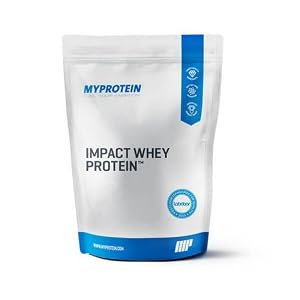
MyProtein Impact Whey Protein, Chocolate Smooth 1KG
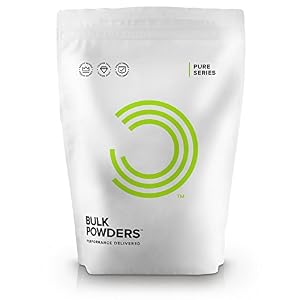
BULK POWDERS Pure Whey Protein, Vanilla - 1kg
Free shipping
9 new from £14.90as of 20th September 2026 10:30 am
Free shipping
4 new from £18.24as of 20th September 2026 10:30 am
- Over 80% protein per serving
- Contributes to the growth and maintenance of muscle
- Contains over 2g of leucine per serving
- Europe's cheapest whey protein
- Low in fat and carbohydrates
- High in Glutamine
- High in Amino acids
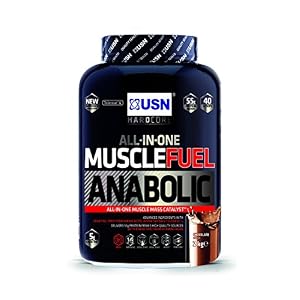
USN Muscle Fuel Anabolic Lean Muscle Gain Shake Powder, 2 kg - Chocolate
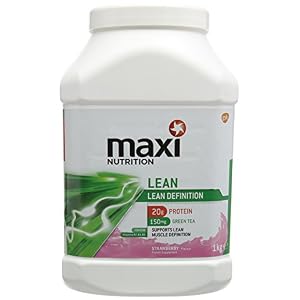
MaxiNutrition Lean Definition Protein Shake Powder, 1 kg - Strawberry
Free shipping
11 new from £24.49as of 20th September 2026 10:30 am
Free shipping
1 new from £13.33as of 20th September 2026 10:30 am
- 53 g protein per serving
- 5 g creatine per serving to optimise performance
- Refuel, repair technology to speed up recovery
- The high protein all-in-one to maximise results
- Every serving provides 20 g of high-quality protein, giving your muscles the protein needed to...
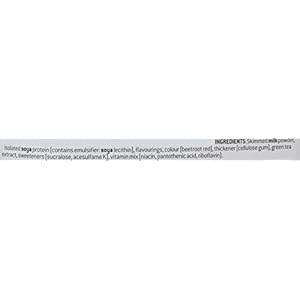
- Every serving provides a source of vitamin B2 (riboflavin), B3 (niacin) and B5 (pantothenic acid)...
- Every serving also contains 150 mg of green tea extract
- Lean is ideal for individuals who are looking for a convenient source of high-quality protein...
Eat Green Get Lean: 100 Vegetarian and Vegan Recipes for Building Muscle, Getting Lean and Staying Healthy
Free shipping
5 used from £27.79
as of 20th September 2026 10:30 am
